Rotator Cuff Injuries in Yoga_Rashmi

shop yoga

Common Mistakes That Lead to Rotator Cuff Injuries in Yoga

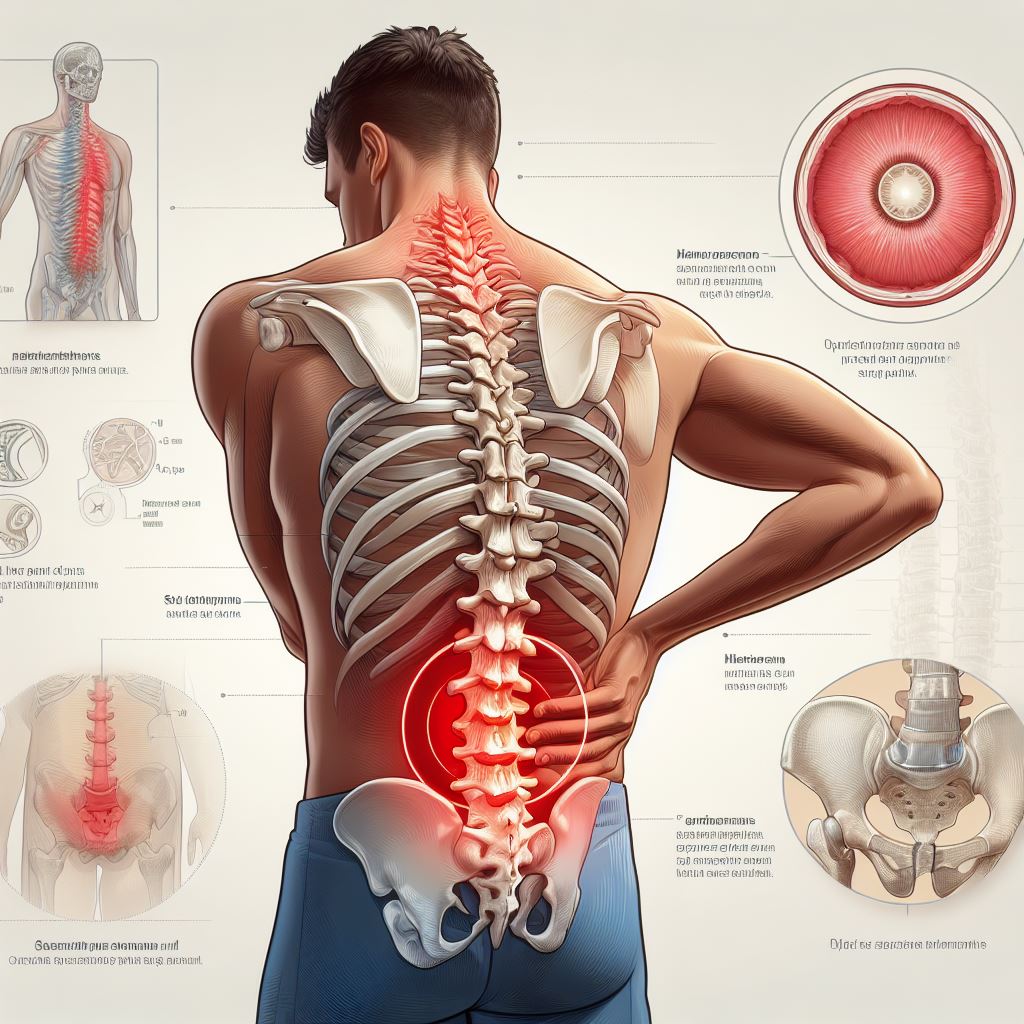
The rotator cuff is a group of four small muscles —supraspinatus, infraspinatus, teres minor, and subscapularis— that connect the scapula (shoulder blade) to the humerus (upper arm bone) via tendons, wrapping around the head of the upper arm bone to form a “cuff.”

While these muscles assist the larger movers of the shoulder (deltoids, pectorals, lats) in arm motion, their primary role is stability, keeping the head of the humerus centered in the shallow socket of the scapula during movement. In yoga, this stability is vital for weight-bearing poses such as Chaturanga, Upward-Facing Dog, Crow, Handstand, etc., where shoulder control can make the difference between safe practice and injury.

Common rotator cuff injuries in yoga include tendinitis, bursitis, muscle strains, and tears. They are typically the result of repetitive loading, poor alignment, inadequate muscle engagement, or overuse without recovery.


How Common Are These Injuries in Yoga?

  • 21.3% of yoga practitioners report at least one injury in their lifetime¹.

  • In dynamic styles like Ashtanga and Vinyasa, injury rates can reach 62%, with the shoulder being one of the most affected joints².

  • At the Mayo Clinic, 6.7% of yoga-related injuries specifically involved the rotator cuff³.


Why Do These Injuries Happen?

Lack of Warm-Up
Rotator cuff muscles are stabilisers, not power generators. Starting directly with arm balances or inversions without scapular mobility drills places undue stress on them.

Repetitive Vinyasa transitions
Frequent Chaturanga–Upward Dog–Downward Dog sequences, especially with fatigue or poor mechanics, overload the rotator cuff.

Poor Technique in Chaturanga
Letting elbows flare and shoulders dip below elbow height compresses the supraspinatus tendon, increasing risk of tendinitis or tears.

Overstretching
Forcing deep shoulder stretches like Gomukhasana or Raja Kapotasana can overstretch tendons, compromising stability.

Weak Serratus Anterior Engagement
In poses like Plank and Forearm Stand, lack of support from the serratus anterior (which helps in protraction) means the rotator cuff must overcompensate, increasing impingement risk.

Overuse Without Recovery
Practicing advanced arm balancing postures, Handstands or Wheel Pose daily without rest can cause microtears due to repeated overhead motion, especially if mobility and strength are imbalanced.


What is the Safer Way?

Begin every class with focused shoulder mobility drills, external rotation drills, and light band work.

Build scapular strength using protraction and retraction work.

Learn to activate and utilize the larger muscles of the shoulder girdle, like the serratus anterior, to support the rotator cuff.

Use props like blocks and belts to reduce force on the shoulders.

Encourage quality over quantity in vinyasa transitions.

Progress gradually before attempting prolonged weight-bearing or advanced arm balances.

Most importantly — respect rest days as part of your yoga practice.

A mindful balance of mobility, stability, and progressive loading is the most effective way to protect the rotator cuff, ensuring your yoga practice is about strengthening rather than about straining and stressing.


Sources

  1. American Council on Exercise

  2. Ashtanga Injury Study – PMC

  3. Mayo Clinic Orthopedic Reports


Article by Rashmi Kedia