Injury-Proof Your Practice - A Guide for Yoga Instructors
.png)
Injury-Proof Your Practice – A Guide for Yoga Instructors
Even after teaching yoga for years, completing multiple teacher training courses, and continually studying anatomy and movement, many yoga teachers still find themselves nursing sore wrists, pulled hamstrings, or nagging lower back pain. It is a humbling reminder: no matter how experienced we are, the body whispers before it screams, and it is our job to listen. As full-time yoga teachers, we often underestimate how physically demanding our work is. We teach, practice, adjust, and demonstrate often multiple times a day. Over time, this takes a toll if we are not intentionally protecting our bodies. This article is not about fear; it is about awareness and sustainability.
Here is how to injury-proof your practice while continuing to grow as an instructor.
Injuries from Demonstration Overload
Teaching yoga requires demonstrations of complex asanas like Kapotasana or Ek Pada Sirsasana. Demonstrating these poses repeatedly especially without proper warm-up can cause cumulative strain or injury.
Solutions: Do not feel obligated to demonstrate every pose in every class, use verbal cues and visual demonstrations from students when appropriate.
If you plan to demonstrate peak poses, prepare your body beforehand with progressive warm-up movements. Avoid jumping straight into complex poses without sufficient preparation.
Cycle-aware Teaching for Women
Menstruation is precisely when the body may ask for more rest or slower movement. Teaching may feel more intense or energetically draining during this time.
Solutions: Teach flow-based sequences that require minimal demonstration or skip demonstrations entirely and guide with verbal cues.
Honour your body's needs, rest if needed. Your presence and guidance are valuable even without physical performance.
Injuries from Hands-on Adjustments
Hands-on adjustments, while powerful, can be physically taxing. Over time, repeated or forceful assists can lead to chronic wrist, shoulder, or back issues. Also, not every student needs to be adjusted.
Solutions: Follow a 3-step protocol: 1. Verbal cue → 2. Visual demo → 3. Hands-on assist (only if essential)
Save physical adjustments for moments where they truly enhance safety, stability, or alignment of the student. Train your students to cultivate body awareness and proprioception, making them more independent and confident in their practice.
Nutrition: Under-fuelling the Demands
Teaching multiple classes a day, especially styles like Ashtanga, Vinyasa, or Power Yoga drastically increases your caloric and nutritional needs. Under-eating can lead to fatigue, weakened connective tissues, and slower recovery, increasing the risk of injury.
Solutions: Ensure sufficient protein intake to support muscle repair. Eat enough calories to support both your teaching and personal practice.
Healthy fats and carbohydrates are essential for hormonal balance, joint function, and sustained energy.
Skipping Rest and Recovery
Burnout and injury often go hand-in-hand. Many yoga teachers feel guilty about skipping their own practice or taking time off, but rest is not a luxury, it is a necessity.
Solutions: Schedule at least one full rest-day per week. Incorporate restorative practices like Yoga Nidra, Restorative Yoga, or pranayama into your weekly rhythm.
When working on flexibility goals during self practice, shorter 5-10-minute daily practices can be effective.
If incorporating strong strength-based Yoga practices, muscles need 24-48 hours to fully recover, pushing through soreness will make you more prone to injuries.
Injury-proofing your practice is not about avoiding challenges or staying in your comfort zone. It is about longevity. It is about being able to show up for your students consistently, joyfully, and pain-free. We listen to the whispers so we do not have to hear the screams. Let your teaching be rooted not only in discipline, but in deep listening. After all, yoga has never been just about the poses, it is about awareness, compassion, and sustainable growth.
Article by Ramya Siddamsetty

From Slouching to Strength: Simple Exercises for Computer Users at Their Workstation
Long hours at a desk can take a toll on your posture, leadin
Crackling Sound in the Knee
Why does cracking sound occur in the knee? The cracking sou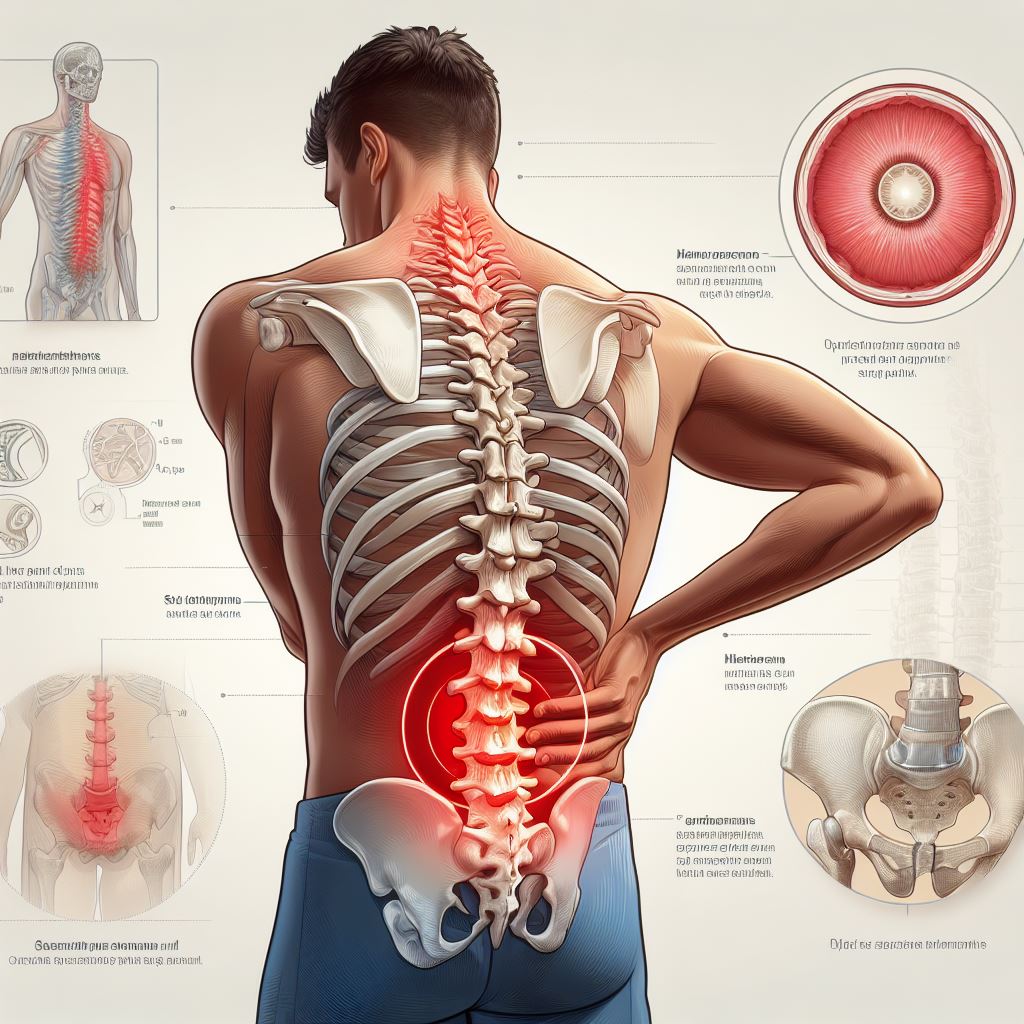
Lower Back Pain ( Slip Disc | Disc Prolapse)
A common condition which refers to a problem with a rubbery
A King’s Mattress
How to Sleep Like a King? We must have all read the story o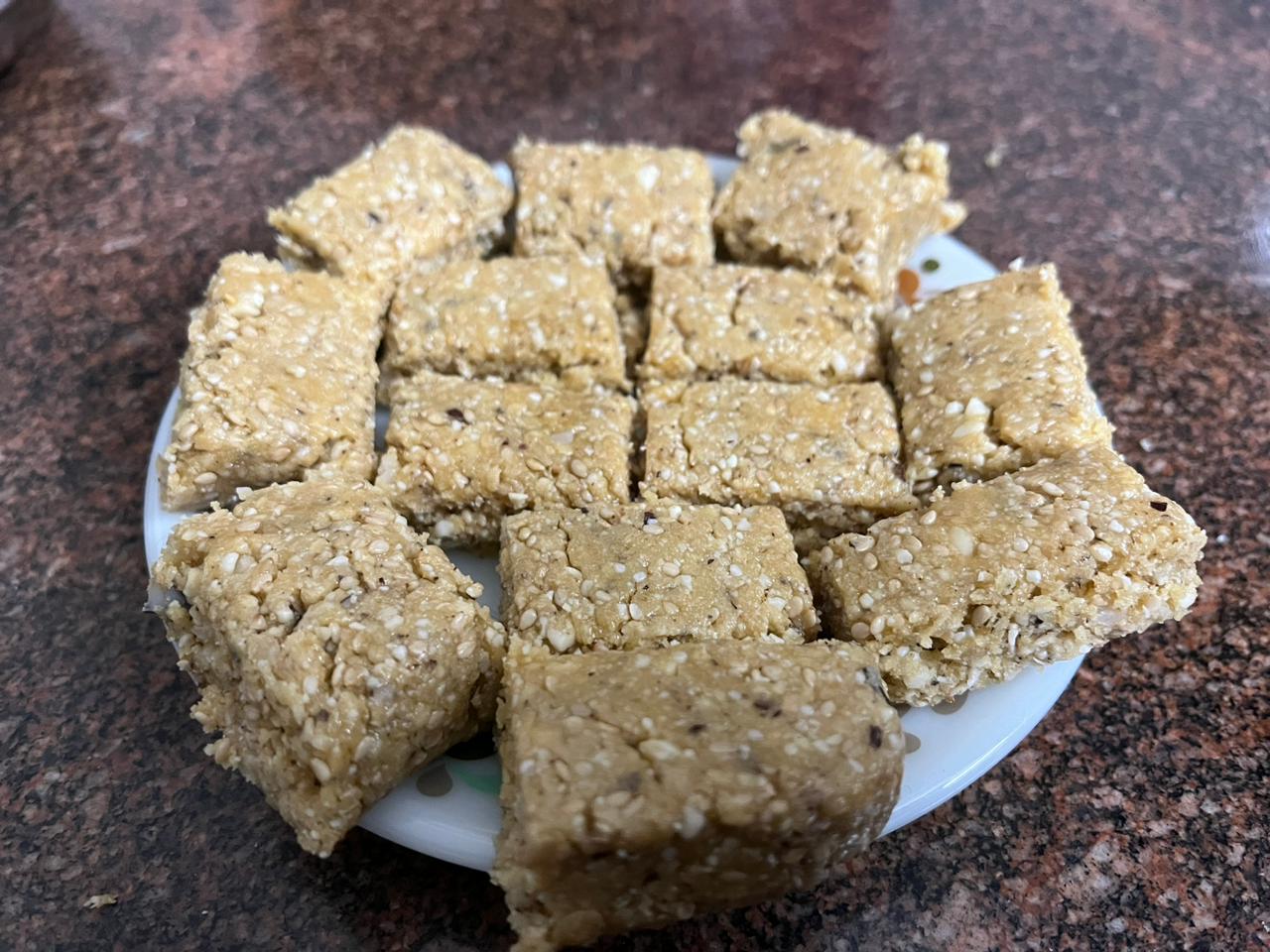
Protein Bar for healthy munching
This Protein Bar recipe can be used as filler between the tw