Decoding The Patanjali Yog Sutras
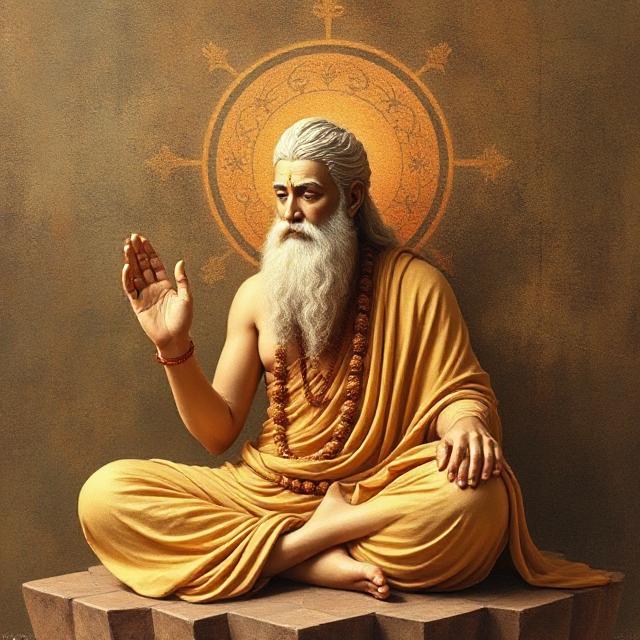
Decoding The Patanjali Yog Sutras
There is a story of a sadhaka who became ecstatic when told by God that it would take him as many births as there are leaves on a tree to attain Moksha. "Just so few!" he exclaimed in joy. This story beautifully illustrates the depth of the Yogic journey, a concept reinforced by Sage Patanjali in his first sutra: 'Atha Yoganushasanam' — "Now the auspicious discipline of the established institution of Yoga begins."
The word 'Atha' is considered sacred and is traditionally used at the beginning of revered texts, such as ‘Atha Shri Mahabharata Katha’ and ‘Atha Shri Ganpati Atharvashirsha.’ More than just an auspicious marker, Patanjali’s use of 'Atha' signifies that the sadhaka embarking on this journey has already undergone essential preliminary steps and is "now" truly ready. This is akin to a student preparing for academic study — arranging books, donning proper attire, and setting the stage for learning. Just as these preparations are indispensable for effective study, so too is the groundwork before delving into Yoga. This is the deeper significance of 'Atha' in Patanjali’s sutra.
Moving further, we encounter the compound word ‘Yoganushasanam,’ composed of ‘Yog’ and ‘Anushasana.’ To grasp its significance, one must recognise that the Yogic system predates Sage Patanjali. He was not its founder but its expounder, revered for distilling pre-existing Yogic wisdom into the concise and systematic sutras we know today. Since the discipline of Yoga already existed before him, he chose the word ‘Anushasanam,’ which conveys the idea of an established tradition being systematically presented rather than something newly created.
Even in the modern age, Patanjali’s first sutra remains relevant, demanding rigorous practice yet promising Kaivalya—ultimate liberation—to the sincere seeker. The seasons may change, leaves may wither and fall, but the fruits of dedication will inevitably appear at the journey’s end.
Article by Rahul A. Khamamkar


The Yoga Solution for Digital Fatigue & Dry Eyes
With rising screen-time —whether you're an IT profess
Aromatherapy for neck pain
Aromatherapy has been practiced for centuries in India, Chin
knee Pain ( Osteo Arthritis )
Osteoarthritis (OA) in most of the cases is in India is prim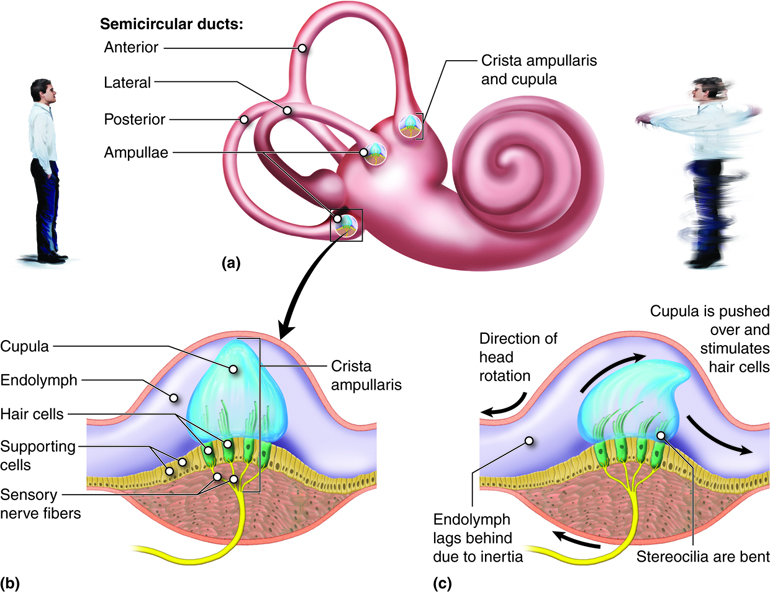
Cervical Spine Health
Our vestibular system gives us our sense of balance, coordin
Patanjal yog sutras decoded
"The control of those mind-fluctuations is achieved through